
Missing teeth can affect more than your smile.
They can change how you chew, how clearly you speak, and how confident you feel in everyday moments. Implant restorations are designed to rebuild what is missing with a solution that looks natural and functions like a real tooth. At The Tooth Lodge, we focus on comfort, precision, and long-term stability so your final result feels secure and blends in with your smile. Whether you are restoring one tooth or several, our team will help you understand your options and what to expect throughout the process.
How Implant Restorations Help Complete Your Smile
A dental implant restoration is the visible, functional part of an implant that replaces a missing tooth. While the implant itself is the post that integrates with the jawbone, the restoration is what you see and use every day, such as an implant crown or an implant-supported bridge.
Implant restorations help complete your smile by restoring the appearance of missing teeth while also supporting bite balance. When a gap is left untreated, nearby teeth may shift, and the bite can become uneven. By filling the space, implant restorations help support alignment and comfort, especially during chewing. They are also designed to blend with your natural teeth in shade, shape, and contour so your smile looks seamless.
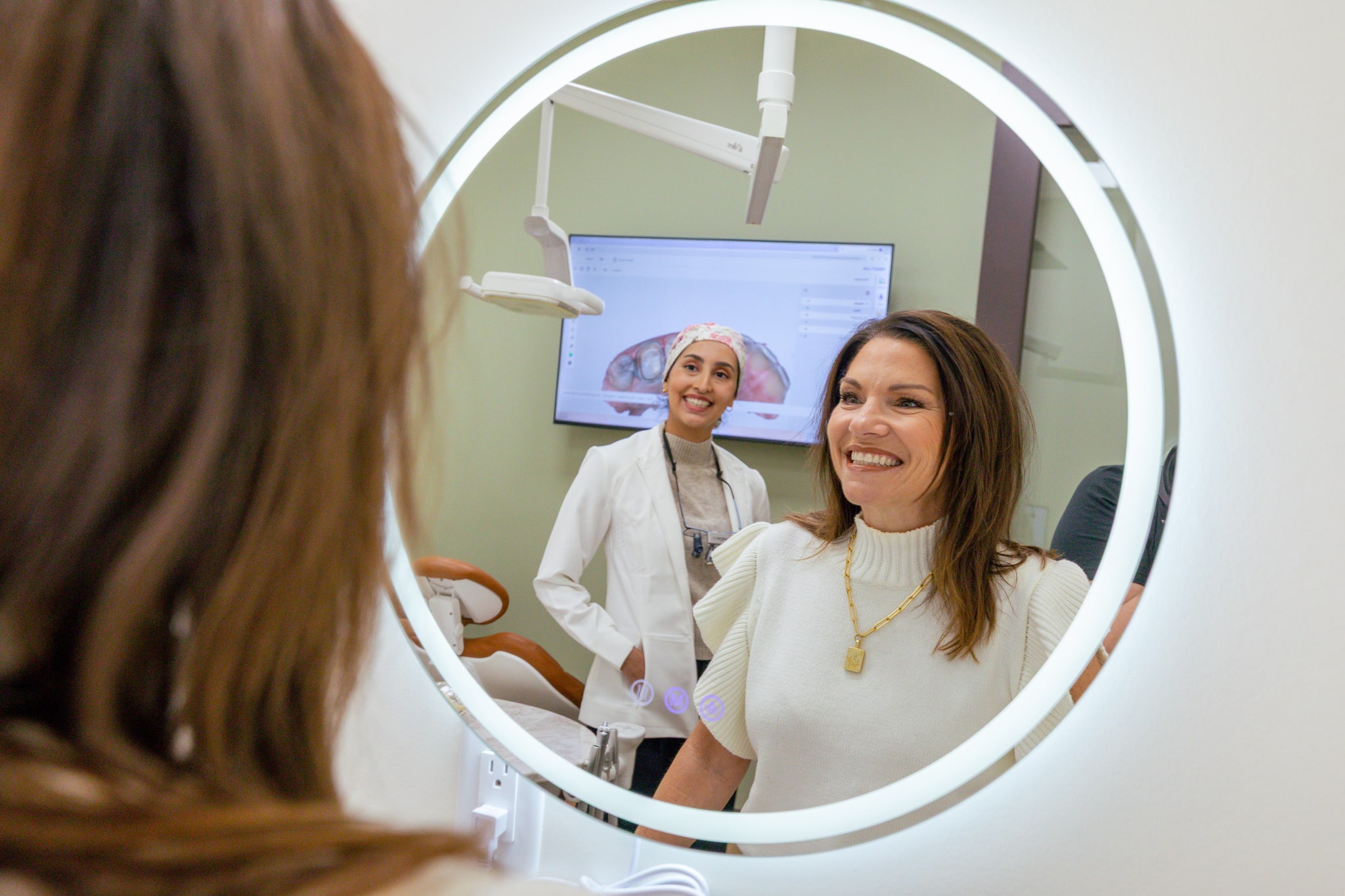
The Benefits Of Dental Implants Over Traditional Restorations
Dental implants are often considered a long-term solution because they replace a tooth from the root up. Traditional restorations can be effective, but implants offer unique benefits for many patients because they support the jaw and do not rely on neighboring teeth for support.
Common benefits include:
- Stability: Helps provide a secure feel while eating and speaking.
- Preservation: Helps support jawbone structure where a tooth is missing.
- Independence: Does not require reshaping adjacent teeth in many cases.
- Confidence: Restores a natural look with a solution designed to blend in.
For patients who want a replacement option that feels more like a natural tooth, implants can be a strong choice. During your visit to our Spring, TX office, we will explain candidacy, review your goals, and discuss which option fits your needs and timeline.
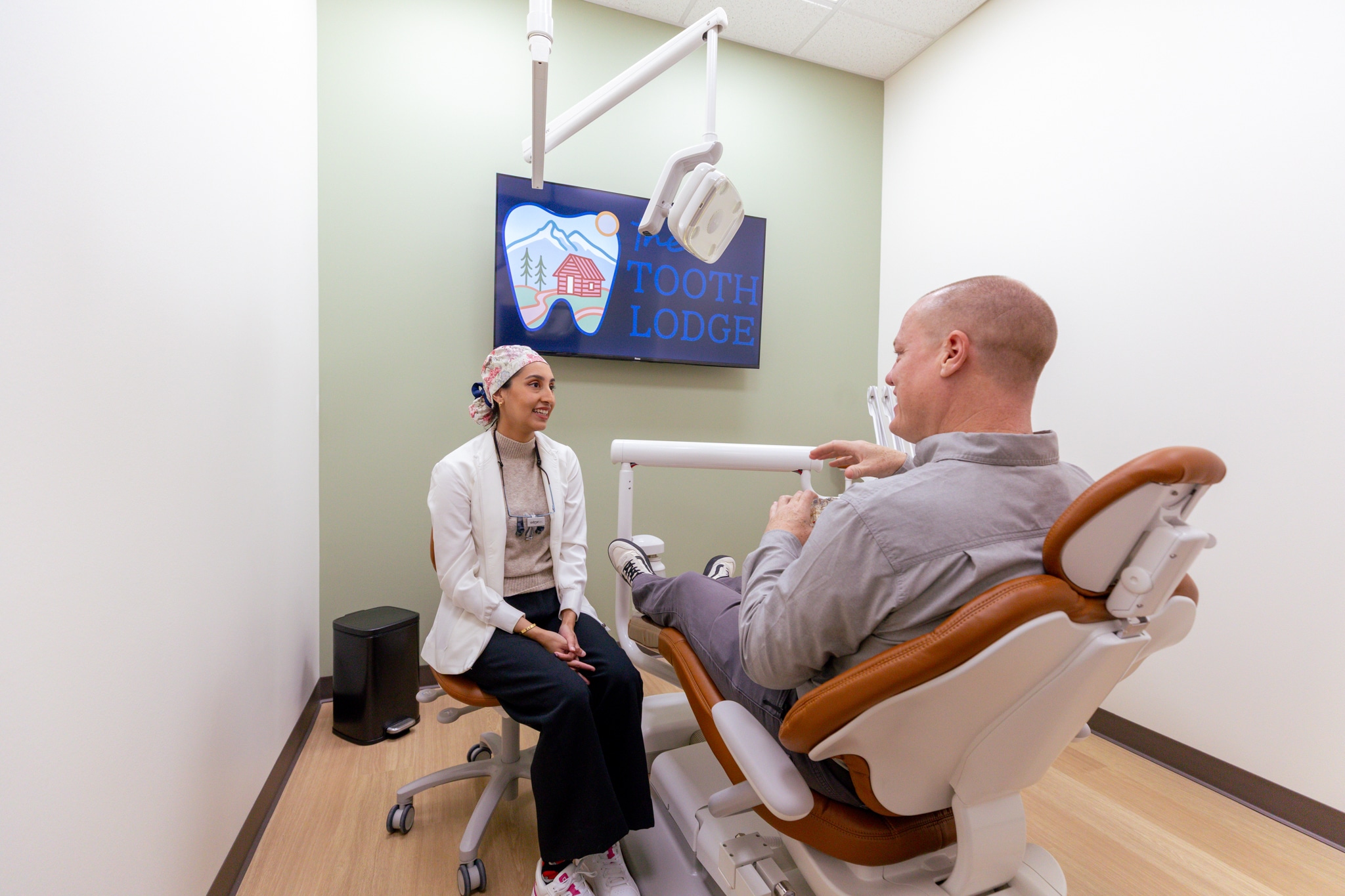
What To Expect During An Implant Restoration Procedure
Implant restoration typically happens after the implant has been placed and has integrated with the bone. If you already have implants from a previous provider, we can evaluate their condition and discuss restoration options.
The restoration process generally includes planning, imaging, impressions or scans, and the final placement of the crown or bridge. Our team will evaluate how the implant aligns with your bite, the space available, and the appearance of surrounding teeth so the restoration looks natural and feels comfortable.
A typical implant restoration process may include:
- Evaluation: We review your oral health, gum condition, and implant stability.
- Imaging: We confirm implant position and plan the restoration design.
- Digital scan or impressions: We capture precise measurements for a custom fit.
- Restoration placement: We attach the final crown or bridge and adjust your bite.
If a temporary restoration is needed while the final one is being crafted, we will explain how to care for it and what to avoid. We will also review follow-up expectations so you feel supported after placement.
How To Maintain Dental Implants For Long-Term Success
Dental implants can last for many years with consistent care, but they still require daily maintenance and routine professional visits. While the implant cannot get a cavity, the gums and surrounding tissue can still become inflamed if plaque and bacteria build up around the restoration.
To support long-term success, we recommend:
- Daily brushing: Use a soft toothbrush to clean around the implant restoration.
- Consistent flossing: Clean between teeth and around the implant as recommended.
- Routine exams: Schedule regular visits so we can monitor the implant and gums.
- Professional cleanings: Remove buildup in areas that can be difficult to reach at home.
If you grind or clench your teeth, a nightguard may also be recommended to reduce stress on the restoration. During your check-up visits, we can evaluate bite forces, wear patterns, and gum health to help you protect your investment.
Comparing Implant Crowns Vs. Bridges
Implant crowns and implant-supported bridges can both restore missing teeth, but they are used in different situations. The right choice depends on how many teeth are missing, where the gap is located, and how bite forces are distributed.
Implant crowns are often used when a single tooth is missing. The implant supports one crown, which helps preserve neighboring teeth and provides a natural-looking result.
Implant-supported bridges are commonly used when multiple teeth in a row are missing. Instead of placing an implant for every missing tooth, a bridge may be supported by implants on either side of the space, depending on your anatomy and treatment plan.
Key differences to consider include:
- Best use: Implant crowns for single-tooth replacement and bridges for multiple missing teeth.
- Support: Crowns are supported by one implant, while bridges may be supported by two or more implants.
- Maintenance: Both require daily home care and professional monitoring for gum health.
- Function: Both restore chewing and help reduce shifting of nearby teeth.
Our role is to help you understand which option fits your needs and provides the best long-term outcome. We will review your goals, evaluate your bite, and recommend a solution that supports comfort and stability.

Rebuild Your Smile With The Tooth Lodge
A complete smile should feel strong, comfortable, and natural. At The Tooth Lodge, we provide implant restorations with a focus on precision, aesthetics, and long-term success. If you are ready to restore missing teeth with a solution designed to last, call us to schedule a consultation in Spring, TX, and take the next step toward a healthier, more confident smile.